Crucial Considerations for Successful Open-Air Smart Display Deployment
Wiki Article
Outdoor networked signage has increasingly evolved into an communication solution for use by organizations, municipalities, along with enterprises pursuing strong audience reach combined with dynamic content. Different from internal displays, outdoor electronic systems are designed to function consistently across variable climatic exposures while maintaining clear on-screen presentation. An effective deployment relies upon planning efforts, system-level accuracy, as well as a clear understanding of physical constraints. Factors such as placement evaluation, weather-related conditions, along with technical capacity collectively influence performance. Handling these critical considerations in advance works to limit service problems and also delivers extended system reliability.
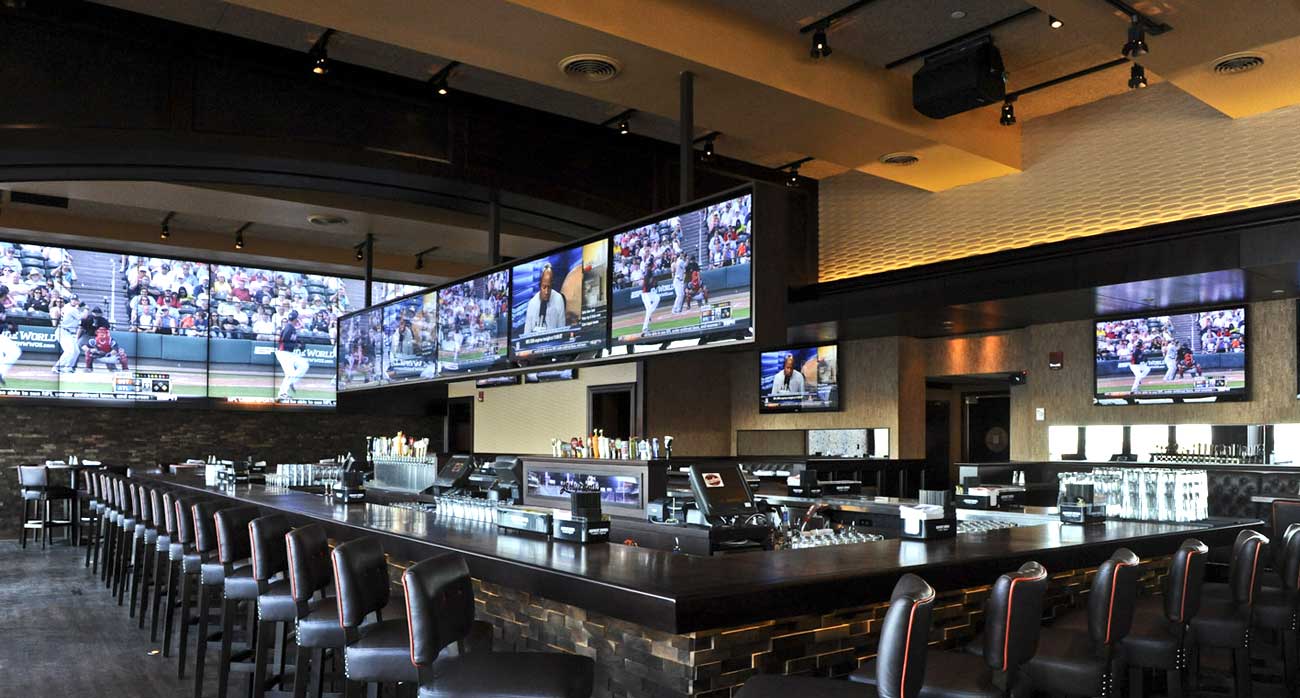
One of the most important factors of outdoor networked advertising installation remains site decision-making combined with audience visibility. The positioning for the signage unit should coordinate to typical pedestrian movement, traffic sightlines, and expected viewing spacing. Display size, pixel density, and nits level specifications must suit the surrounding setting in order to deliver on-screen content stays readable during strong sunlight as well as evening situations. Reflection management, audience viewing angles, and adjacent architecture likewise affect public interaction. Thorough site planning drives strong message presentation while supporting adherence with local land-use as well as outdoor signage requirements.
Climatic defense is another critical factor within open-air electronic display solutions. Digital displays should remain enclosed within protective enclosures designed in order to resist moisture, airborne dust, condensation, and thermal changes. Appropriate environmental protection ratings, airflow components, and heat management components help reduce overheating as well as component damage. Structural integrity remains similarly necessary, since fastening fixtures is required to withstand wind forces plus vibration throughout time. All of these defensive actions maximize hardware lifespan and reduce overall operational interruptions.
Utility as Read More Here well as communication frameworks play an role in dependable networked signage system output. Open-air deployments require secure power routing, grounding systems designs, as well as electrical surge suppression to protect against power irregularities. Communication network availability, whether through cabled or wireless connections, should enable consistent content transfer to allow display changes along with software tracking. Wiring management plus protective placement should adhere to established codes to help shield from environmental harm and environmental exposure. Robust infrastructure planning preparation delivers reliable information presentation while efficient system administration.
Visual content design plus support processes support a successful outdoor digital signage implementation. Content must remain clearly structured to allow fast understanding, through correct text proportions, color contrast, and motion management designed for outdoor viewing. Routine service procedures, involving system patches, component reviews, as well as surface cleaning, are intended to sustain visual performance while platform uptime. Display monitoring systems are used to flag issues early along with allow for early repairs. If technical execution deployment along with media control align, external electronic learn the facts here now visual signage becomes a long-term and also high-impact communication system.